Stroke: What Is It? Symptoms, Treatment, and Recovery.
What is Stroke?
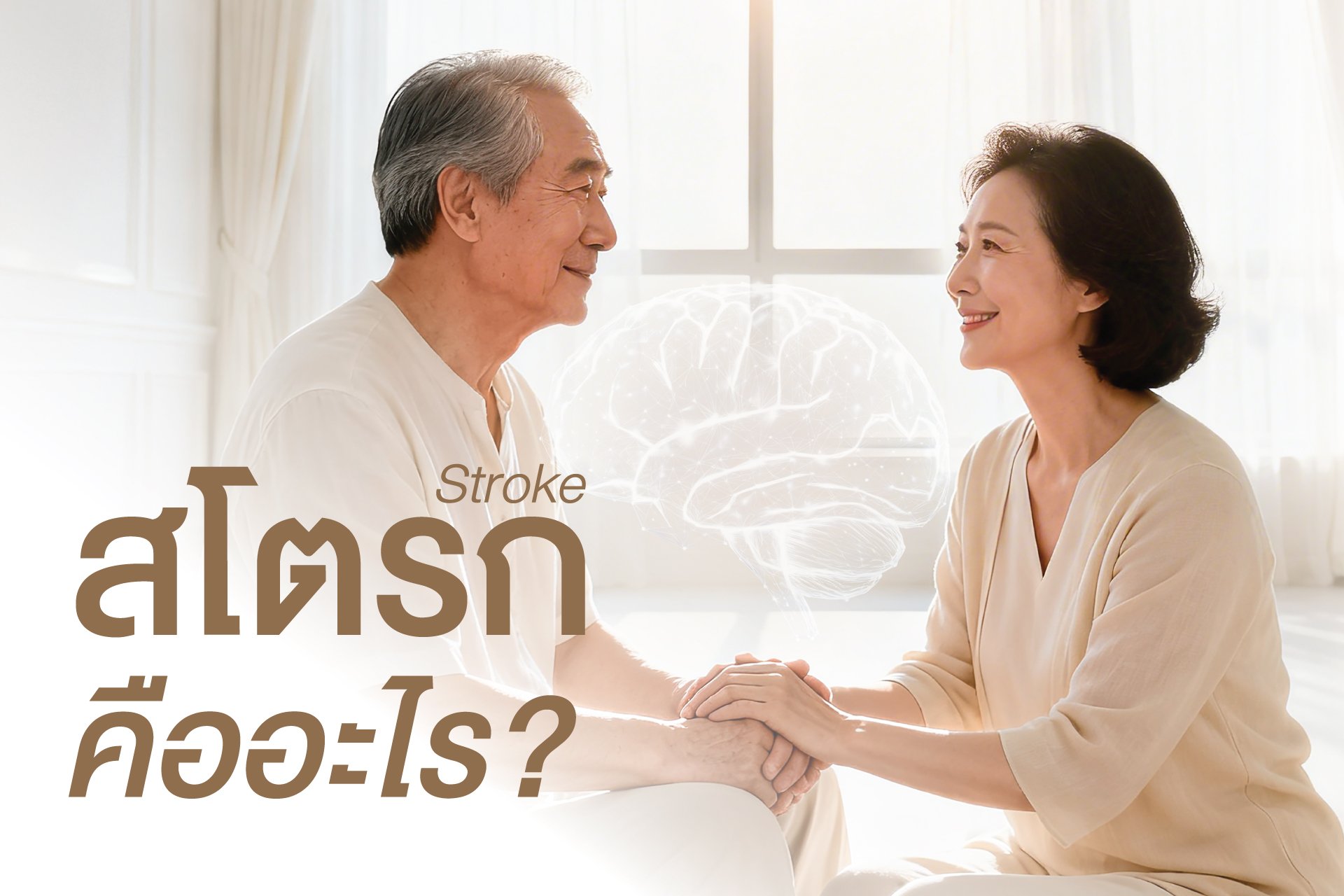
Stroke, medically known as cerebrovascular disease, is a condition in which the brain suddenly loses its blood supply. This causes brain cells to be deprived of oxygen and nutrients, leading to rapid cell death. As a result, patients may experience paralysis, weakness on one side of the body, slurred speech, difficulty swallowing, or even death.
Currently, stroke is one of the top five leading causes of death in Thailand, with numbers increasing each year as the population ages. Globally, one person dies from stroke every 6 seconds.
Stroke is a medical emergency. Brain cells die at a rate of approximately 1.9 million cells per minute during a stroke. Receiving treatment within the first 4.5 hours is critically important for treatment outcomes and long-term quality of life.
Types of Stroke
1.Ischemic Stroke
Caused by blood clots or fatty deposits blocking blood vessels supplying the brain. This is the most common type, accounting for approximately 80% of all stroke cases.
2.Hemorrhagic Stroke
Caused by rupture of blood vessels in the brain, leading to bleeding and pressure on brain tissue. Less common but typically more severe.
3.Transient Ischemic Attack (TIA)
Stroke-like symptoms that resolve within 24 hours. Considered a warning sign of a potential future stroke and should not be ignored.
Warning Signs of Stroke (BEFAST)
B Balance
E Eyes
F Face drooping
A Arm weakness
S Speech difficulty
T Time to call emergency services immediately
Other warning symptoms include blurred or double vision, severe dizziness, loss of balance, sudden severe headache, numbness or weakness on one side of the body, and difficulty swallowing.
Who is at Risk?
Stroke can occur in people of all ages, not only the elderly. Risk factors are divided into two main groups:
Controllable Factors
High blood pressure, diabetes, high cholesterol, heart disease, smoking, alcohol consumption, obesity, lack of exercise
Uncontrollable Factors
Age, male gender (slightly higher risk), family history, previous stroke or TIA, ethnicity
The most common risk factor among Thai patients is high blood pressure, which can be managed with medication and lifestyle modification. Annual health check-ups are therefore essential.
Acute Stroke Treatment
Treatment depends on the type of stroke and the time since onset. If symptoms such as facial drooping, slurred speech, or weakness on one side occur, immediate medical attention is crucial.
Ischemic Stroke:
If the patient arrives within 4.5 hours, intravenous thrombolytic therapy (IV rt-PA / Alteplase) may be administered. This can significantly reduce disability in approximately 30–50% of patients. In cases of large vessel occlusion, mechanical thrombectomy may be performed.
Hemorrhagic Stroke:
Neurosurgeons will evaluate the need for surgical intervention to remove blood and reduce pressure, along with strict control of blood pressure, blood sugar, and body temperature.
Stroke Rehabilitation
Stroke rehabilitation aims to help patients regain as much independence as possible. It should begin as soon as the patient's condition stabilizes. Early mobilization within 24–48 hours has been shown to improve recovery outcomes.
Acute (0–2 weeks)
Hospital care, vital sign monitoring, early movement, prevention of complications such as pressure sores and pneumonia
Subacute (2 weeks–3 months)
Fastest recovery phase, intensive and continuous rehabilitation recommended
Recovery (3–6 months)
Training in daily activities such as walking, dressing, eating, bathing, and communication
Chronic (6+ months)
Slower recovery but still possible due to neuroplasticity
Physical Therapy vs Neuro Rehabilitation
| Category | Physical Therapy | Neuro Rehabilitation |
| Main Goal | Improve movement, strength, and balance | Stimulate brain to rebuild neural pathways, improve cognition and communication |
| Focus System | Muscles, bones, joints, cardiovascular system | Brain, central nervous system, neural connections |
| Approach | Exercise, stretching, electrical therapy, heat/cold therapy | Task-specific training, CIMT, brain stimulation, virtual reality |
| Medical Principle | Strength, flexibility, endurance | Neuroplasticity |
Why Neuro Rehabilitation is Important
The brain has a property called neuroplasticity, meaning it can relearn and form new neural pathways to replace damaged ones. This is especially effective within the first 3–6 months. Neuro rehabilitation is designed to maximize this process through targeted and repetitive training.
FAQ
Q: Can stroke patients fully recover?
A: It depends on the severity and location of damage. Some patients recover almost completely, especially with early treatment and continuous rehabilitation.
Q: When should rehabilitation start?
A: As soon as vital signs and neurological status are stable, typically within 24–72 hours.
Q: Can recovery continue after 6 months?
A: Yes. Although slower, the brain continues to adapt throughout life.
Q: Who is neuro rehabilitation suitable for?
A: Stroke patients, brain injury patients, Parkinson’s disease, spinal cord injuries, and other neurological conditions.
Q: How can caregivers help?
A: Provide emotional support, assist with exercises, ensure a safe home environment, and monitor for recurrence.
Conclusion
Stroke recovery is not limited to physical rehabilitation. Brain and neurological rehabilitation play a critical role in restoring overall function. Programs such as Karnesh NeuroActive BioComplex™ aim to enhance brain function and support long-term recovery outcomes.