Knee Surgery vs Non-Surgical Treatment for Osteoarthritis
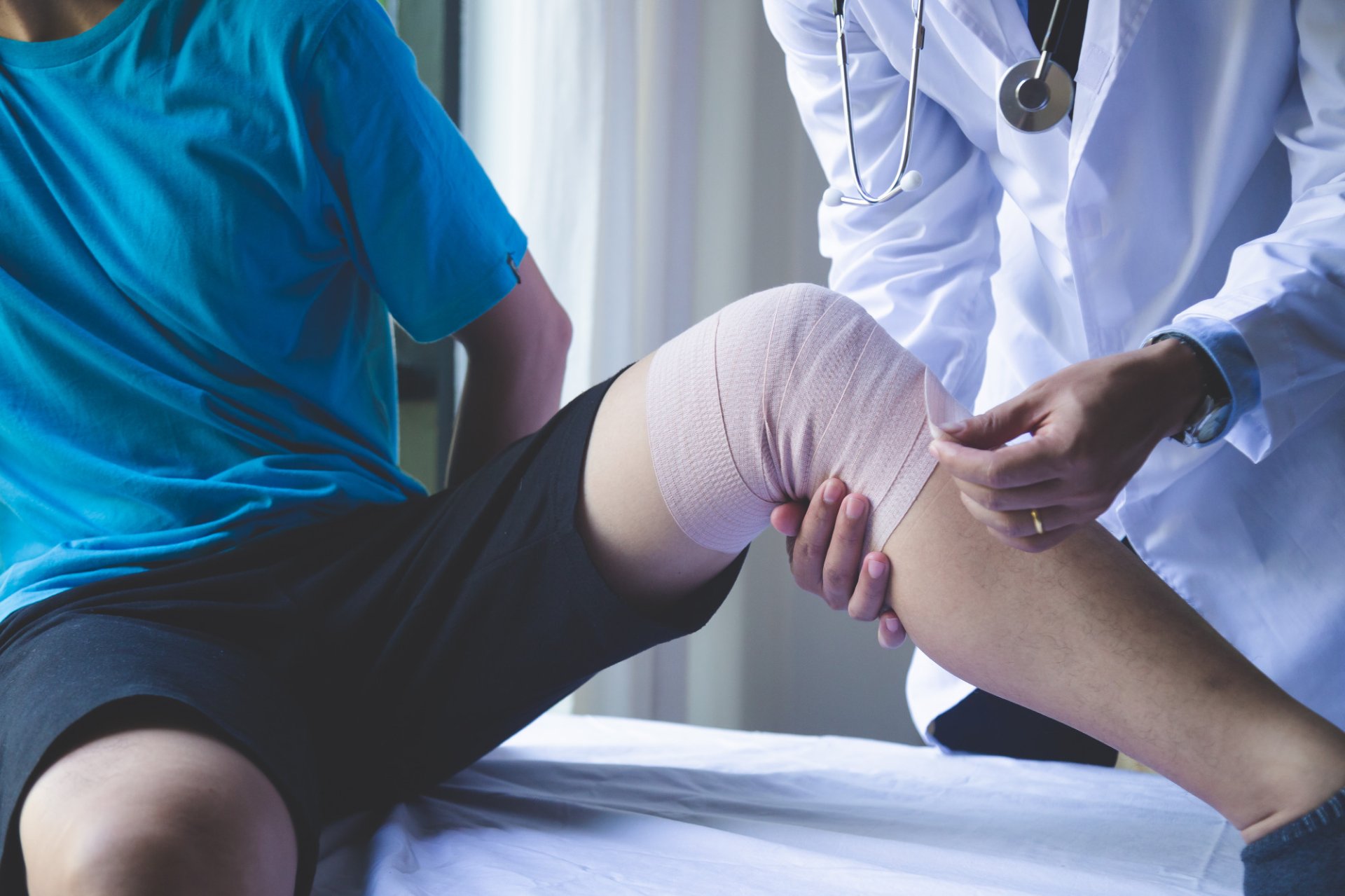
Knee Surgery vs Non-Surgical Treatment: What's the Difference and Which Is Right for Knee Osteoarthritis?
Knee surgery and non-surgical treatment are the two main approaches for managing knee osteoarthritis. Choosing the right option depends on the severity of joint degeneration, overall physical condition, and each patient's lifestyle goals.
In general, non-surgical treatments such as physiotherapy and lifestyle modification are appropriate for stages 1–3, while surgery is typically considered at stage 4 or when other treatments have not produced sufficient results. This article compares the benefits, limitations, and decision-making factors of both approaches to help patients plan their care effectively with their doctor.
Overview: Surgery vs Non-Surgical Treatment
| Factor |
Non-Surgical |
Surgical |
| Suitable stage | Stages 1–3 (mild to moderate) |
Stage 4 (severe) |
| Goal | Slow progression, reduce pain, restore mobility | Correct joint structure, relieve severe pain |
| Recovery time | Short — no hospitalisation required | Several weeks to months |
| Risk level | Low | Surgical and anaesthetic risks apply |
| Cost | Lower | Higher |
| Long-term outcome | Depends on ongoing self-care | Depends on post-operative rehab and care |
What Is Non-Surgical Treatment for Knee Osteoarthritis?
Non-surgical treatment refers to managing knee osteoarthritis without an operation. The focus is on reducing pain, decreasing inflammation, strengthening the muscles surrounding the joint, and slowing long-term degeneration.
Commonly Used Approaches
- Physiotherapy — strengthens the quadriceps, hip, and core muscles
- Lifestyle modification — weight management, posture correction, reducing high-impact activities
- Medication — prescribed to reduce pain and inflammation, as directed by a doctor
- Regenerative Wellness — supports overall cellular health
- Personalised exercise programmes — tailored to the individual's stage of degeneration and physical condition
Benefits of Non-Surgical Treatment
- No surgical risk
- Faster recovery — return to daily life more quickly
- Significantly lower cost
- Can be combined with other aspects of health care
- May delay or avoid the need for surgery in the future
Limitations of Non-Surgical Treatment
- May not be sufficient for stage 4 osteoarthritis with severe cartilage loss
- Requires consistent commitment from the patient, including regular exercise and behaviour changes
- Results are not immediate — improvement typically takes 4–12 weeks or more
What Is Knee Surgery?
Knee surgery involves directly correcting the structure of the knee joint, performed by an orthopaedic surgeon. Common procedures include:
Total Knee Replacement The damaged joint surface is replaced with an artificial implant. This is typically considered for stage 4 osteoarthritis when other treatments have not provided adequate relief.
Arthroscopy A small camera is inserted into the knee to clean or repair internal structures. Often used when there is accompanying soft tissue damage such as a torn meniscus.
Osteotomy The bone alignment is adjusted to redistribute weight away from the damaged area. Commonly used in younger patients who wish to preserve their natural knee joint.
Benefits of Surgery
- Directly corrects the joint structure
- Provides long-term pain relief for those with severe degeneration
- Helps patients with significant pain regain mobility
Limitations of Surgery
- Risks include anaesthetic complications and infection
- Recovery takes several weeks to months
- Higher cost
- Knee implants have a limited lifespan — typically 15–20 years
- Physiotherapy is still required after surgery
Which Option Is Right? What Factors Matter?
The decision between surgery and non-surgical treatment depends on several factors considered together.
1. Stage of Knee Degeneration
Stages 1–2: Non-surgical treatment is usually effective
Stage 3: Either approach may be appropriate depending on symptoms and response
Stage 4: Surgery is more commonly considered
2. Severity of Symptoms If pain is severe enough to significantly affect quality of life and other treatments have not worked, surgery may be the more appropriate option.
3. Age and Overall Health Younger patients may aim to delay surgery given the limited lifespan of implants. Older patients with underlying health conditions may face higher surgical risks.
4. Lifestyle Goals Those who wish to return to sports or physically demanding activities may require a different approach compared to those who simply want to walk comfortably and manage daily life.
5. Response to Non-Surgical Treatment If consistent non-surgical treatment has not produced improvement, the doctor may consider additional options.
Timeline: Treatment by Stage of Knee Osteoarthritis
Stages 1–2 (Mild)
└── Recommended: Lifestyle modification + physiotherapy + Wellness
└── Goal: Slow degeneration, maintain mobility
Stage 3 (Moderate)
└── Recommended: Intensive non-surgical treatment ± further evaluation └── Goal: Reduce symptoms, delay surgery as long as possible
Stage 4 (Severe)
└── Consider: Surgery (at the doctor's discretion)
└── Goal: Correct joint structure, relieve severe pain
Even at stage 4, surgery requires individual assessment. Not everyone with stage 4 osteoarthritis will necessarily require an operation.
Frequently Asked Questions (FAQ)
Does everyone with knee osteoarthritis need surgery?
No. Surgery is typically considered only when osteoarthritis is severe and other treatments have not provided adequate relief. Most patients with mild to moderate symptoms can be managed effectively without surgery.
If I don't have surgery, will my knee get worse?
Not necessarily. With appropriate care — including physiotherapy, weight management, and lifestyle adjustment — it is possible to slow degeneration and maintain a good quality of life significantly.
Do I still need physiotherapy after knee surgery?
Yes. Physiotherapy is a critical part of recovery following knee surgery. It typically takes 3–6 months or more to restore muscle strength and full range of movement.
How long does a knee implant last?
Knee implants generally last around 15–20 years, depending on the materials used, body weight, and activity level. After that, revision surgery may be required.
Will surgery completely eliminate knee pain?
Most patients experience significant pain reduction following knee replacement, though mild residual pain is possible — particularly during recovery. Outcomes depend on several factors including overall health and post-operative rehabilitation.
Which option should I start with?
For those with early or moderate symptoms, it is recommended to first undergo medical assessment and then explore non-surgical options as the initial approach. These carry lower risk and may provide good outcomes without the need for surgery.
Who is a good candidate for surgery, and who is not?
Surgery may be appropriate if:
- Knee osteoarthritis is at stage 4
- Pain is severe enough to significantly impact quality of life
- Non-surgical treatment has been tried consistently without sufficient improvement
Non-surgical treatment may be more appropriate if:
- Osteoarthritis is at a mild to moderate stage
- Conservative approaches have not yet been tried seriously
- Underlying health conditions increase surgical risk
- The goal is to delay surgery for as long as possible
Summary
The choice between surgery and non-surgical treatment depends on the stage of degeneration, physical condition, and the individual's lifestyle goals. For those at stages 1–3, consistent non-surgical treatment may help maintain quality of life without the need for immediate surgery.
What to consider before deciding:
- See a specialist for assessment — understand the actual stage of degeneration
- Learn about both options — including the benefits and limitations of each
- Don't wait until symptoms are severe — the earlier care begins, the more options are available
Book a Knee Assessment at Karnesh Wellness
Karnesh Wellness is ready to assess your knee condition and develop a care plan tailored to your body and lifestyle — under the supervision of specialist doctors.
Line: @karneshwellness or click https://lin.ee/rfaTvAz
☎ Tel: 064-629-8794
→ Read more: What Is Non-Surgical Treatment for Knee Osteoarthritis?