What Are Exosomes? What Do They Do in the Body?
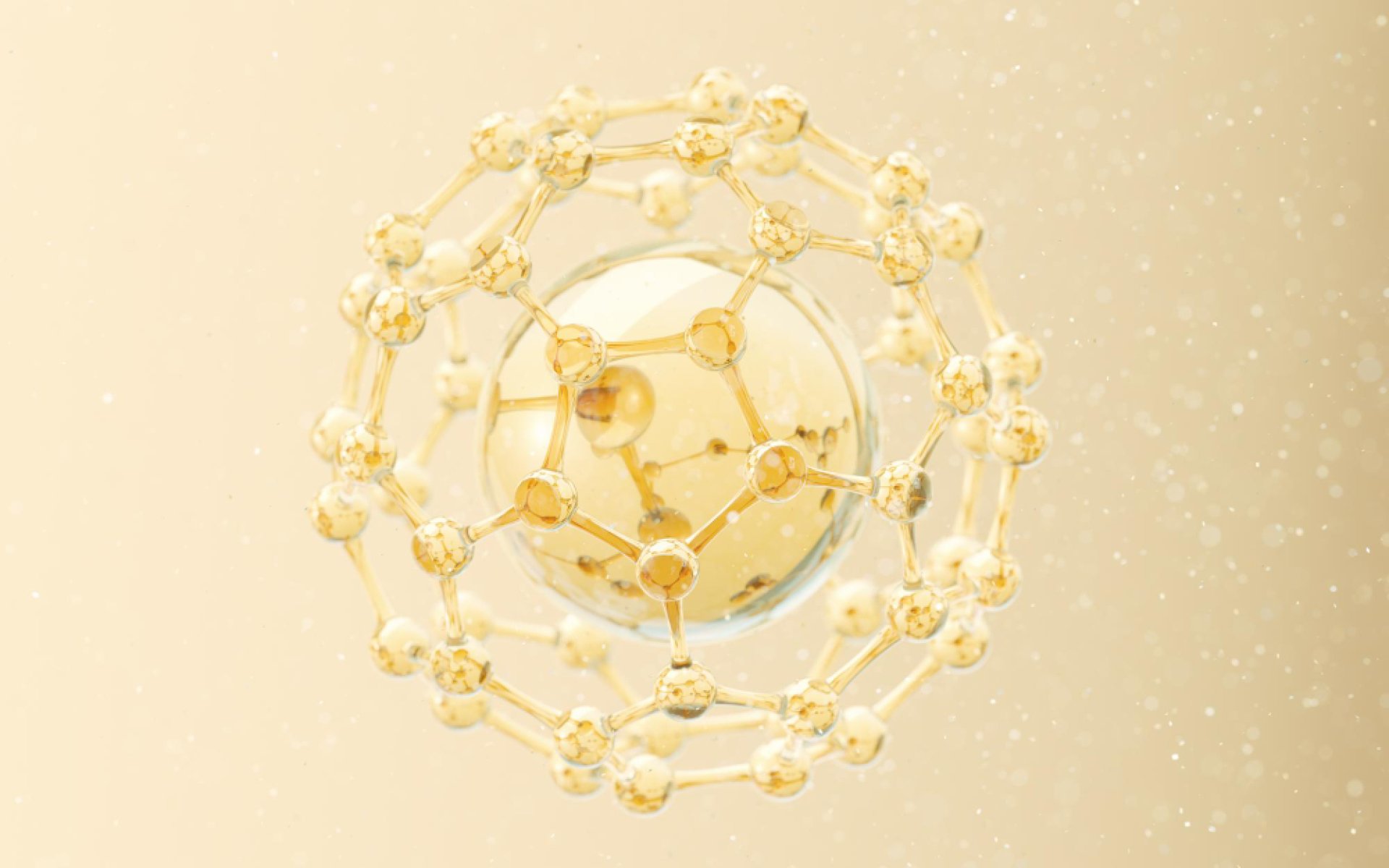
What Are Exosomes? What Do They Do in the Body?
Why can a small wound on the skin heal on its own? When an injury occurs, how do cells in the body know where the recovery process should begin?
The answer does not lie in the cells alone. The body also has a communication system that allows trillions of cells to work together in an organized way.
One important mechanism within this system is the exosome.
Today, exosomes are receiving significant attention in regenerative medicine and anti-aging medicine because they play an important role in cell-to-cell communication and are involved in the body’s recovery processes across several systems.
Many people may have heard the term exosome mentioned alongside stem cells and assume that they are the same. In reality, exosomes and stem cells have clearly different functions.
This article explains what exosomes are, where they come from, how they function, and why they are receiving growing attention in health, regenerative medicine, and modern skin care.
What Are Exosomes?
Exosomes are small membrane-bound particles within a group known as extracellular vesicles. They are naturally produced and released by cells and are generally nanoscale in size.
Although exosomes are extremely small, they can contain several important biological substances, such as:
- Proteins
- Growth factors
- Cytokines
- Lipids
- microRNAs
- Other biomolecules
These substances act as “information” transmitted from one cell to another, helping different cells communicate and respond appropriately to changes occurring in the body.
To make this easier to understand, imagine that cells are people. Exosomes are like the messages people send to one another to explain what is happening and how they should respond. Exosomes are therefore not cells. They cannot divide or develop into new cells in the way stem cells can.
However, they play an important role in transmitting information between cells so that different systems in the body can work together efficiently.
How Do Exosomes Work in the Body?
Although exosomes are very small, they play an important role in several body systems because their primary function is cell-to-cell communication.
The way exosomes work can be divided into four stages.
1. Cells Detect Changes
Every day, cells in the body are continuously exposed to changes, including normal activity, injury, inflammation, and environmental factors.
When a cell detects that something unusual has occurred, it begins communicating with other cells so that the body can respond appropriately.
2. Cells Produce and Release Exosomes
After detecting a signal, the cell produces and releases exosomes.
Inside the exosomes are various biomolecules, such as proteins, growth factors, cytokines, and microRNAs. These act as the “information” that the cell wants to send to other cells.
The contents of exosomes vary depending on the type of cell that produces them and the condition of the body at that time.
3. Exosomes Travel to Target Cells
After being released, exosomes move through the extracellular fluid toward target cells.
When they reach their destination, they deliver the information they contain to those cells, allowing the target cells to recognize how they should respond to the situation.
For this reason, exosomes are often described as cellular messengers.
4. Target Cells Respond to the Information
After receiving information from exosomes, target cells respond according to their individual functions.
Examples include adjusting cellular activity, sending further signals to other cells, or working together in various biological processes.
Although these mechanisms are complex and remain under continued investigation, exosomes are receiving considerable attention in regenerative medicine research because of their role in cellular communication and coordination.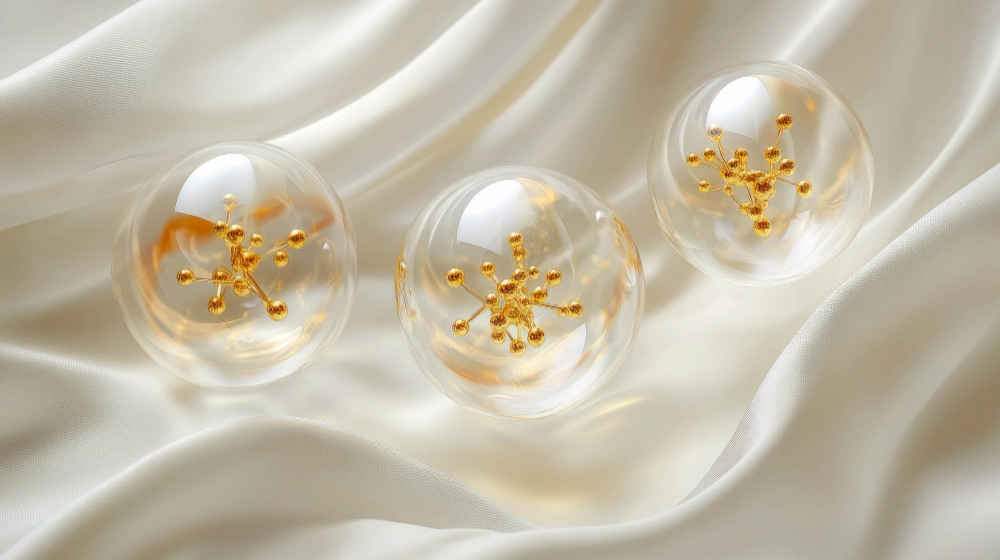
Where Do Exosomes Come From?
Exosomes are biological particles naturally produced by living organisms.
They may be found in:
- Humans
- Animals
- Plants
These differences depend on the type of cell that produces them and the natural functions of each organism.
Which Sources of Exosomes Are Studied in Medicine?
Exosomes are currently being studied extensively in medical and regenerative medicine research, particularly exosomes derived from human cells.
Among these, mesenchymal stem cell-derived exosomes, or MSC-derived exosomes, are among the most widely studied.
A substantial amount of research has examined the role of exosomes derived from mesenchymal stem cells in:
- Cell-to-cell communication
- Tissue function
- Potential applications in regenerative medicine
Exosomes from other sources are also being studied, including:
- Platelet-derived exosomes
- Immune-cell-derived exosomes
- Plant-derived exosomes
How Are Exosomes Related to the Skin?
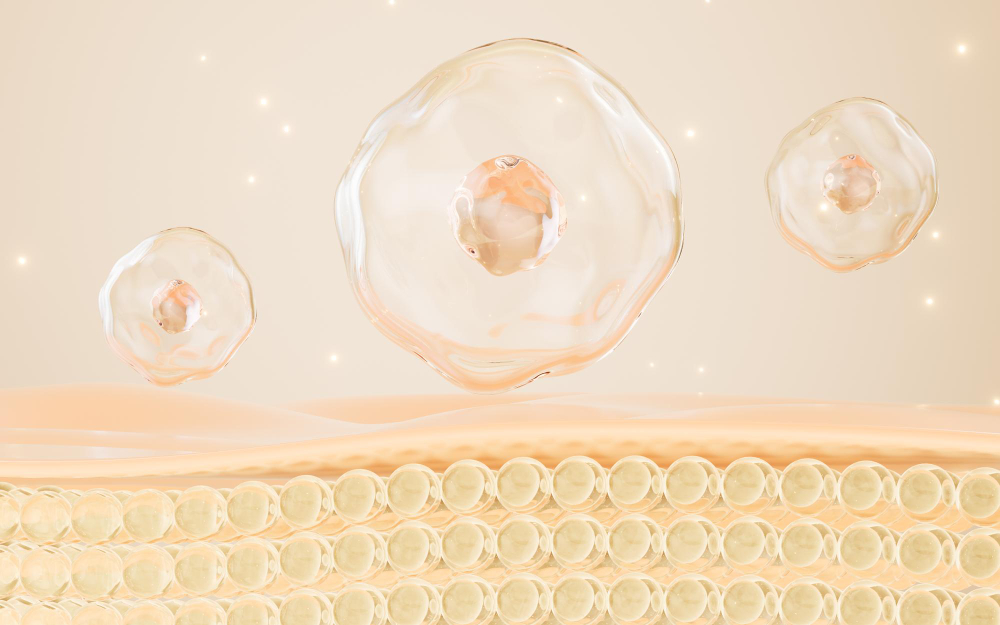
The skin is an organ that continuously renews and repairs itself.
This includes recovery from:
- Sun exposure
- Pollution
- Inflammation
- Age-related changes
These processes depend on communication and cooperation between several types of skin cells.
Exosomes act as intermediaries that transfer information between skin cells. They are therefore being studied in relation to several important processes, including:
- Communication and coordination between skin cells
- Fibroblast function, which is associated with collagen production
- Maintenance of balance within the skin environment
- Natural skin response and recovery
- Regulation of inflammation and pigmentation in certain research contexts
For this reason, exosomes have attracted interest in the field of regenerative aesthetics, which focuses on skin health by understanding cellular function and communication rather than addressing only visible surface concerns.
However, exosomes from different sources may contain different components and have different properties.
Results may therefore depend on:
- The source
- Quality
- Manufacturing process
- Method of use
- Individual suitability

Does Age Affect Exosome Quality?
Exosomes do not maintain exactly the same properties throughout life.
Like other cells in the body, changes that occur with age may affect the quantity, composition, and biological information contained within the exosomes released by cells.
Current research suggests that as the body ages, cell-to-cell communication may change.
This may affect certain processes, such as:
- Recovery after injury
- Collagen production
- Maintenance of tissue balance
However, these changes are not caused by exosomes alone.
They result from several interacting factors, including:
- Age
- Health status
- Lifestyle
- The environment to which cells are exposed
The aim is to understand how changes in cell-to-cell communication may contribute to aging and how this knowledge may potentially be applied in regenerative medicine in the future.
How Are Exosomes Different From Stem Cells?
Many people assume that exosomes and stem cells are the same. In reality, they have different roles, even though both are associated with regenerative medicine.
The main difference can be explained simply. A stem cell is similar to an operational center that can produce or develop into new cells when needed.
An exosome is more like a messenger that carries information from one cell to another, telling the receiving cell what is happening and how it should respond.
In other words:
- Stem cells are the “builders.”
- Exosomes are the “messengers.”
Summary
Exosomes may be tiny biological particles that cannot be seen with the naked eye, but they play an important role in cell-to-cell communication.
This communication is one of the fundamental mechanisms that helps the body maintain coordinated and balanced function.
Today, exosomes are receiving significant attention in science and regenerative medicine because they are associated with cellular function in several systems, including:
- Responses to changes in the body
- Tissue function
- Skin health
Although exosome research continues to develop, one important reason exosomes are of interest is that they help us understand that good health does not depend on cellular function alone.
It also depends on how effectively cells communicate with one another. When cells can exchange information and work together efficiently, the body’s systems may have a better opportunity to maintain balance.
Understanding exosomes is therefore not simply about learning about one type of biological particle. It is also about understanding another important mechanism of the body that continues to receive attention in:
- Regenerative medicine
- Anti-aging medicine
- Personalized wellness
For more information about exosomes and their applications in regenerative medicine or skin care, visit:
Website: Karnesh Wellness
LINE: @karneshwellness
Telephone: 064-629-8794
Frequently Asked Questions
What are exosomes?
Exosomes are small biological particles within the extracellular vesicle group. They are produced and released by cells for communication between cells.
They contain biomolecules that help transmit information to target cells.
Are exosomes stem cells?
No.
Exosomes are not cells and cannot divide in the way stem cells can.
Exosomes transfer information between cells, while stem cells are precursor cells capable of self-renewal and developing into different cell types.
Where do exosomes come from?
Exosomes are naturally produced by many types of cells in humans, animals, and plants.
In regenerative medicine research, MSC-derived exosomes are among the most widely studied sources.
How are exosomes related to the skin?
Exosomes play a role in communication between skin cells.
They are associated with processes such as fibroblast function, maintenance of skin balance, and natural skin responses, all of which remain under continued study.
Does aging affect exosomes?
As age increases, the quantity, composition, and information contained within exosomes may change according to the condition of the cells.
This is one area currently being studied in relation to aging and body function.
Can exosomes be used in medicine?
Exosomes are currently receiving significant attention in research related to regenerative medicine, aesthetic medicine, and other fields.
However, their medical application depends on:
- Appropriate indications
- Scientific evidence
- Applicable laws and regulations in each country
Medical disclaimer: This article is intended for general educational purposes only. It is not medical advice and cannot replace diagnosis or consultation with a qualified physician.
The use of exosomes in medical and aesthetic applications remains under ongoing research. Any application should be considered according to medical indications, scientific evidence, and the laws of each country. Consultation with a qualified physician is recommended before making any treatment decision.