How Can NK Cells Support Cancer Treatment?
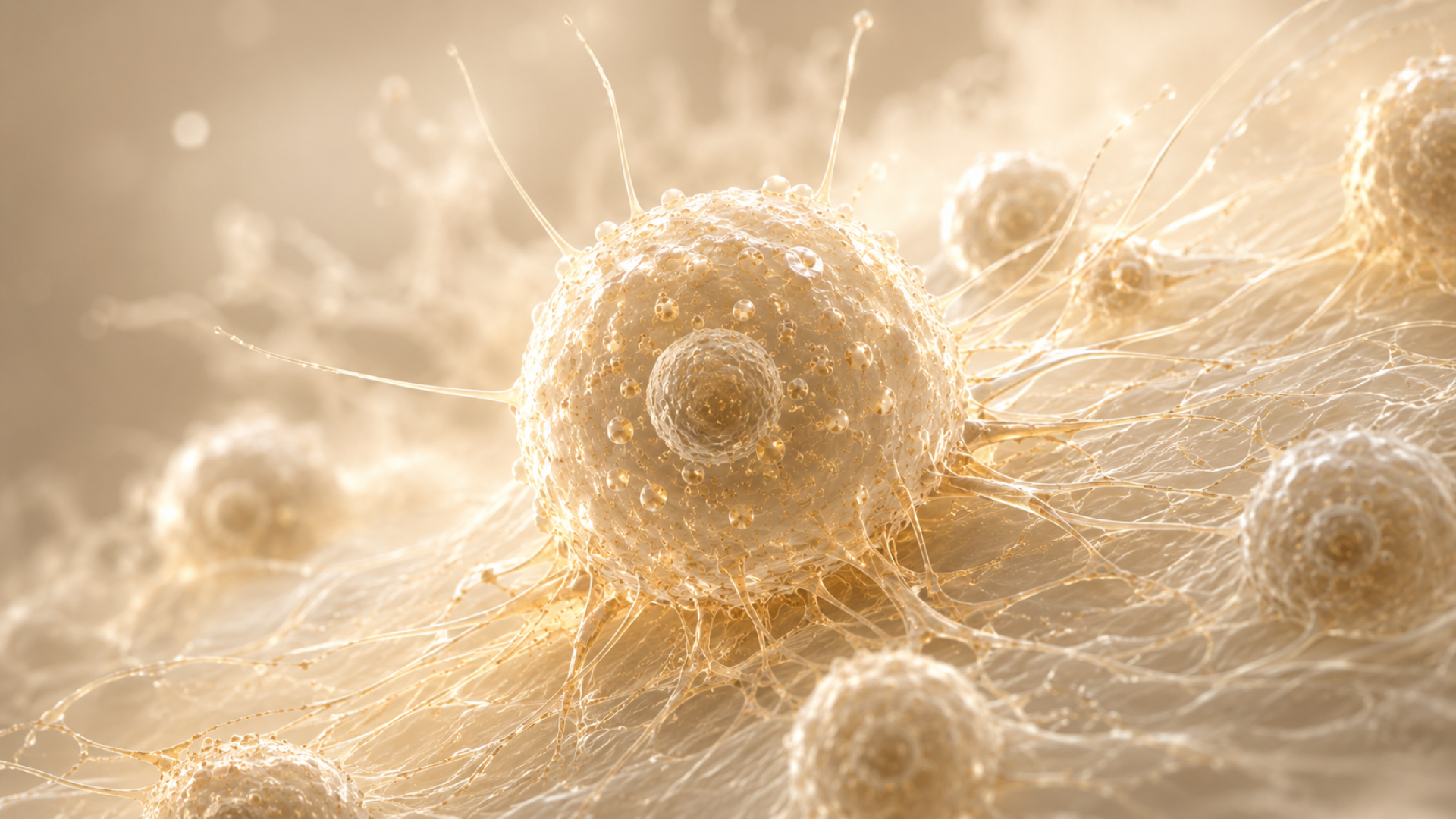
How Can NK Cells Support Cancer Treatment?
NK Cells, or Natural Killer Cells, are a type of white blood cell in the innate immune system. They can detect and destroy cancer cells without having to recognize the target beforehand.
Their activity can be summarized in four main steps:
Detection → Binding → Release of Perforin and Granzyme → Induction of programmed cell death (Apoptosis)
However, cancer cells can also develop mechanisms to evade NK Cells.
This has led to the development of NK Cell Therapy, an approach in which NK Cells are collected from a patient’s own blood, expanded in the laboratory, and then returned to the body.
NK Cell Therapy is generally considered a complementary approach alongside standard cancer treatments and should be considered only under the supervision of a qualified specialist.
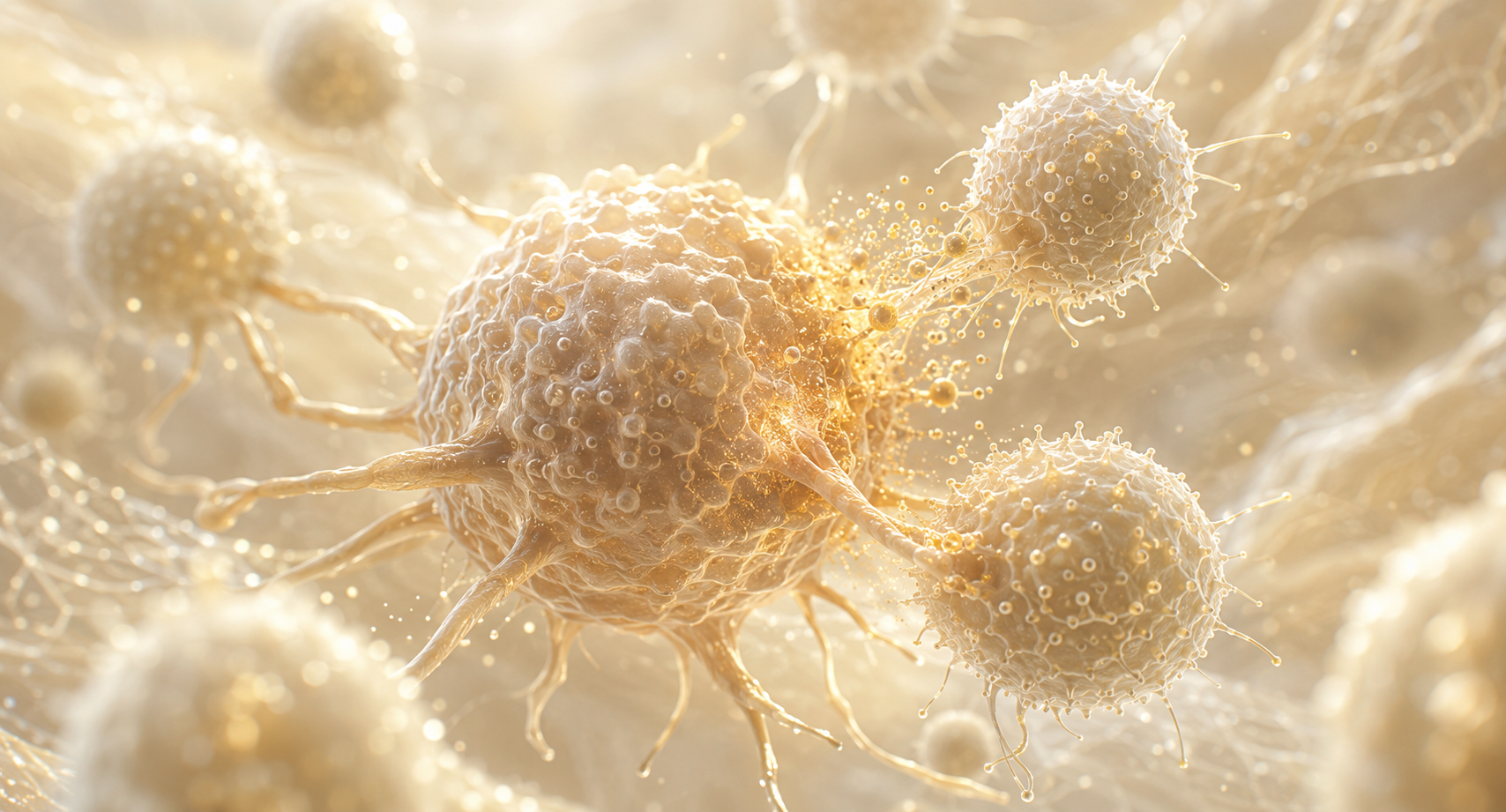
Why Can’t the Immune System Eliminate All Cancer Cells?
Every day, abnormal cells can arise in the body due to errors in cell division, age-related changes, or environmental factors.
Normally, the immune system continuously monitors and removes many of these abnormal cells before they develop into a larger problem. It works much like a surveillance unit that constantly checks the cells throughout the body.
However, some abnormal cells can evade immune detection.
They may alter themselves to resemble normal cells or send certain signals that cause immune cells to overlook them.
If these abnormal cells are not eliminated, they may continue to divide and eventually develop into cancer cells.
This raises an important question:
What are some of the immune system’s first lines of defense for detecting and eliminating these abnormal cells before they progress?
One important immune cell involved in this process is the NK Cell, or Natural Killer Cell.
What Are NK Cells?
NK Cells, or Natural Killer Cells, are a type of white blood cell within the innate immune system.
They act as part of the body’s first line of defense by detecting and eliminating abnormal cells, including virus-infected cells and cancer cells.
A key characteristic of NK Cells is their ability to destroy target cells immediately without having to recognize or previously encounter that specific target.
This differs from certain immune cells, such as T Cells, which generally require recognition and learning of specific target characteristics before mounting a targeted response.
For this reason, NK Cells are considered rapid-response immune cells and play an important role in continuously monitoring the body for abnormal cells.
In addition to their role in targeting cancer cells, NK Cells are also involved in controlling viral infections and helping regulate overall immune balance.
Today, NK Cells receive considerable attention in both immunology and oncology research.

How Do NK Cells Destroy Cancer Cells?
The mechanism by which NK Cells eliminate cancer cells can be divided into four main steps:
Detection → Binding → Release → Apoptosis
1. Detection
NK Cells can identify abnormal cells by recognizing signals on the cell surface.
Normal cells commonly express a molecule known as MHC Class I, which acts somewhat like an identification card telling the immune system:
“This cell is normal. Do not destroy it.”
Many cancer cells reduce or lose MHC Class I expression in an attempt to evade detection by T Cells.
However, this may become a weakness because NK Cells can become activated when the expected MHC Class I signal is absent or reduced.
2. Binding
Once an NK Cell identifies an abnormal cell, it moves toward the target and binds to it.
This interaction occurs through several types of receptors on the NK Cell surface, creating stable contact between the NK Cell and the cancer cell.
3. Release
After binding to the target, the NK Cell releases two important cytotoxic substances:
- Perforin, which creates pores in the membrane of the cancer cell
- Granzyme, an enzyme that enters the cancer cell through those pores
4. Apoptosis
Once Granzyme enters the cancer cell, it activates internal mechanisms that lead to apoptosis, or programmed cell death.
This differs from uncontrolled cell death because the target cell is dismantled in a more organized process, helping limit excessive inflammatory effects on surrounding tissue.
Through these four steps, NK Cells can rapidly target abnormal cells without requiring prior recognition of a specific cancer-cell profile.
Why Can Cancer Cells Still Evade NK Cells?
Although NK Cells can effectively detect and destroy abnormal cells, cancer cells can also develop sophisticated mechanisms to evade them.
Cancer immunology research has identified several such strategies.
Cancer Cells Can Disguise Themselves
Some cancer cells may alter the molecules expressed on their surface to resemble normal cells more closely, reducing the likelihood of detection by NK Cells.
Cancer Cells Can Suppress Immune Activity
Some cancer cells can release substances that directly suppress NK Cell activity, making the NK Cells less effective or preventing them from functioning at full capacity.
Cancer Cells Can Create a Protective Environment
Within the tumor microenvironment, cancer cells may create conditions that are unfavorable for NK Cell activity.
This can act like a protective barrier that helps the tumor resist immune attack.
The interaction between NK Cells and cancer cells is therefore not a one-time event.
It is a continuous process in which NK Cells attempt to detect and destroy abnormal cells while cancer cells adapt in order to survive.
This is one reason researchers worldwide are studying approaches that may enhance NK Cell activity and improve their ability to respond to cancer cells that continuously attempt to evade immune surveillance.
How Can NK Cell Therapy Support Cancer Treatment?
NK Cell Therapy is an approach in which NK Cells are collected from the body, expanded and enhanced under controlled laboratory conditions, and then returned to the patient.
The aim is to increase the number of immune cells with the potential to recognize and attack abnormal or cancer cells.
This concept has been developed because, in some patients, NK Cell numbers or functional activity may be reduced due to factors such as:
- Age
- General health status
- Effects of certain cancer treatments
NK Cell Therapy is currently studied within the broader field of cancer immunotherapy, which aims to use the patient’s own immune system as part of the strategy against cancer.
In general, NK Cell Therapy is more often considered as a complementary approach alongside standard cancer treatment, such as:
- Surgery
- Chemotherapy
- Radiation therapy
However, the effectiveness and suitability of NK Cell Therapy for individual patients remain subjects of ongoing research worldwide.
Any clinical use should therefore be considered by a qualified specialist based on appropriate medical indications and scientific evidence.
Where Do NK Cells Come From?
NK Cells can be isolated from several sources, including:
- Bone marrow
- Umbilical cord blood
- Peripheral blood
This approach is of interest because blood collection is relatively convenient and less complex than obtaining NK Cells from some other sources.
For this reason, preparing NK Cells from a patient’s own blood has become a commonly studied approach in research institutions and medical centers.
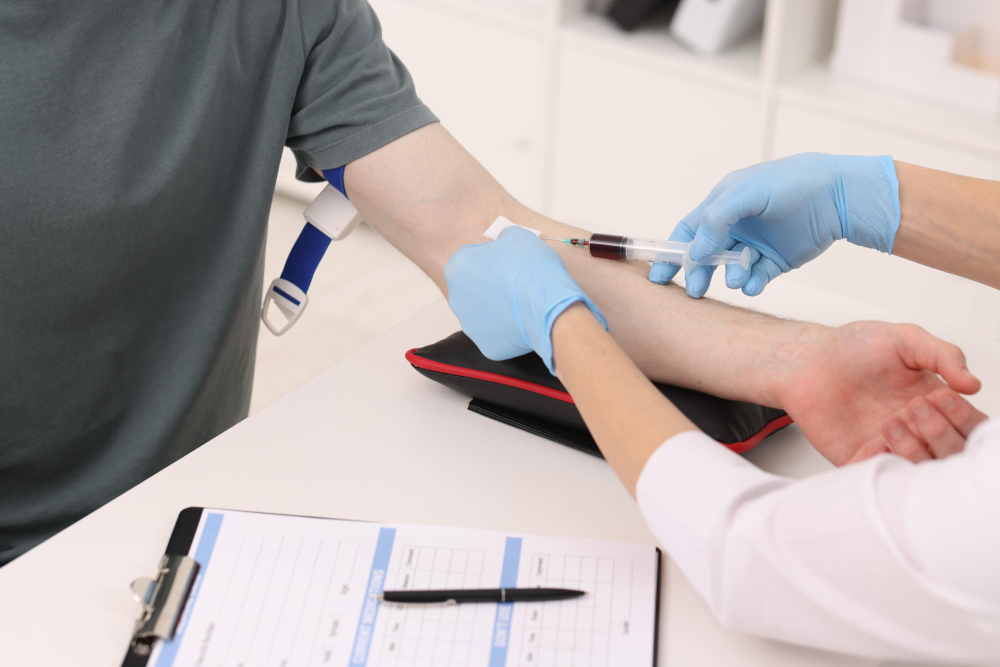
What Is the Process for Preparing NK Cells From Your Own Blood?
Preparing NK Cells from a patient’s own blood generally involves five main steps:
Blood collection → NK Cell isolation → Cell culture → Quality Control → Return to the body
1. Blood Collection
A suitable amount of blood is collected from the patient using standard medical blood-draw procedures.
2. NK Cell Isolation
The blood sample is processed in a specialized laboratory to separate NK Cells from other blood components.
3. NK Cell Culture
The isolated NK Cells are cultured under controlled conditions to promote cell expansion and support their functional activity.
4. Quality Control
Before use, the cultured NK Cells undergo quality-control testing to assess safety and cell standards.
Evaluation may include:
- Cell quantity
- Purity
- Functional potential
Once quality-control requirements have been met, the NK Cells are returned to the patient through a medical procedure supervised by qualified healthcare professionals.
The duration and details of each step may vary depending on the laboratory and medical institution involved.
Who May Be Suitable for NK Cell Therapy?
The suitability of NK Cell Therapy depends on several factors, including:
- Type of cancer
- Stage of disease
- Overall health status
- Individual medical condition
A qualified specialist must assess each case individually.
In general, NK Cell Therapy may be considered or studied in patients who are already under the care of an oncology specialist, including:
- Patients seeking complementary care alongside standard cancer treatment
- Patients undergoing follow-up after primary treatment
- Patients whom a physician considers potentially suitable based on individual medical indications
The decision to use NK Cell Therapy should therefore be made through individualized medical evaluation rather than from general information alone.
Summary
NK Cells are part of the immune system’s first line of defense and play an important role in detecting and eliminating abnormal cells, including cancer cells.
They can respond rapidly without having to recognize a specific target beforehand.
However, cancer cells can also develop sophisticated strategies to evade NK Cell activity, which means the interaction between the immune system and cancer is an ongoing biological process.
NK Cell Therapy has therefore been developed as an approach to study whether increasing the number and functional capacity of NK Cells may support the body’s immune response.
At present, NK Cell Therapy is generally considered as a complementary approach alongside standard cancer treatment and should be evaluated by a qualified specialist.
Although NK Cell Therapy has attracted significant attention in cancer immunotherapy, its clinical use still requires consideration of:
- Scientific evidence
- Individual medical indications
- Patient-specific suitability
- Specialist medical judgment
FAQ
What are NK Cells?
NK Cells, or Natural Killer Cells, are a type of white blood cell in the innate immune system.
They help detect and eliminate abnormal cells, including virus-infected cells and cancer cells, without requiring prior recognition of the target.
How Do NK Cells Destroy Cancer Cells?
NK Cells work through four main steps:
Detection → Binding → Release of Perforin and Granzyme → Apoptosis
They first detect an abnormal cell, bind to it, release Perforin and Granzyme, and then activate programmed cell death.
Why Can Cancer Cells Still Evade NK Cells?
Some cancer cells may alter themselves to resemble normal cells, directly suppress NK Cell activity, or create a tumor microenvironment that makes it more difficult for NK Cells to function effectively.
What Is NK Cell Therapy?
NK Cell Therapy is an approach in which NK Cells are collected from the body, isolated and expanded in the laboratory, and then returned to the patient.
The goal is to increase the number and functional potential of NK Cells involved in targeting abnormal cells.
It is generally considered alongside standard cancer treatment rather than as a replacement.
Who May Be Suitable for NK Cell Therapy?
Suitability depends on the type and stage of cancer, overall health status, and individual clinical circumstances.
Patients should be assessed individually by an oncology specialist or another appropriately qualified physician.
Can NK Cell Therapy Replace Standard Cancer Treatment?
Currently, NK Cell Therapy is generally considered a complementary approach alongside standard treatments such as surgery, chemotherapy, or radiation therapy.
It should not be regarded as a replacement for standard cancer treatment.
Medical disclaimer: This article is intended for general educational purposes regarding NK Cells and cancer immunotherapy. It is not medical advice and cannot replace diagnosis, treatment, or consultation with a qualified healthcare professional. The effectiveness and suitability of NK Cell Therapy remain under ongoing research. Any clinical application should be evaluated by a qualified physician based on individual medical indications, scientific evidence, and applicable regulations in each country.