Non-Surgical Knee Osteoarthritis Treatment
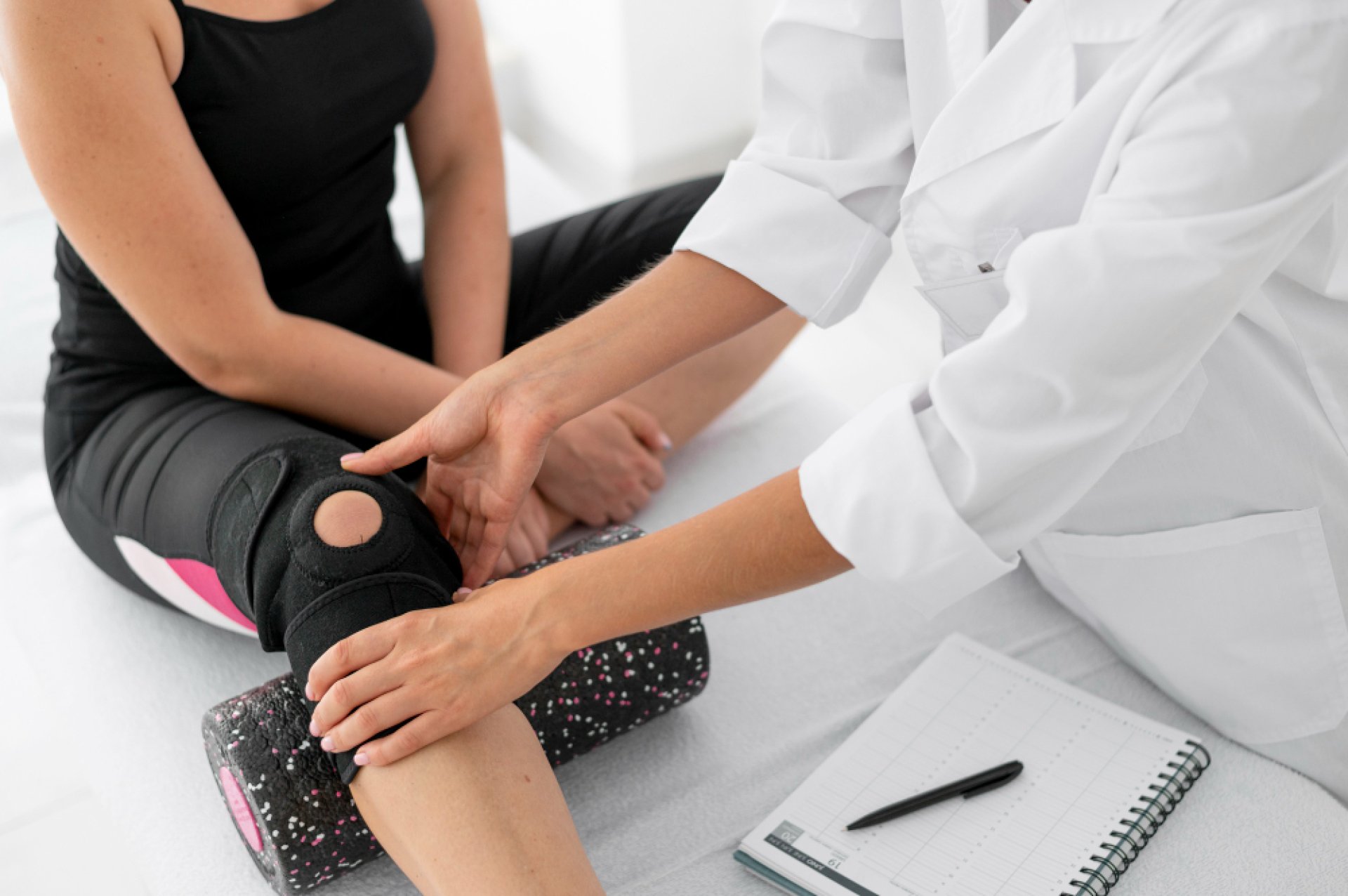
What Is Non-Surgical Knee Osteoarthritis Treatment?
Non-surgical treatment for knee osteoarthritis is a care approach focused on reducing pain, lowering inflammation, restoring mobility, and slowing joint degeneration — without surgery. It is particularly well-suited for individuals with mild-to-moderate knee osteoarthritis.
Knee surgery is generally reserved for severe cases only. For those who have not yet reached that stage, non-surgical approaches have gained considerable attention as a way to care for the knee from the outset, preserving long-term quality of life and mobility.
At Karnesh Wellness, we address the root cause of knee problems rather than providing only temporary pain relief. Our approach encompasses joint structure assessment, inflammation management, surrounding musculature, and everyday movement habits.

What Is Knee Osteoarthritis?
Knee osteoarthritis is a condition in which the articular cartilage within the knee joint gradually deteriorates, reducing its natural ability to absorb impact. This leads to knee pain, stiffness, joint locking, or difficulty moving.
Data from the Thai population shows that more than 30% of older adults in certain demographic groups are affected by knee osteoarthritis, with prevalence continuing to rise in aging societies.
What Are the Stages of Knee Osteoarthritis?
Knee osteoarthritis is classified into four stages based on the degree of cartilage degeneration
| Stage | Description | Symptoms |
|
Stage 1 |
Minor cartilage breakdown begins | Mild ache; morning stiffness after rest |
| Stage 2 Moderate |
Noticeable cartilage thinning | Pain when walking or climbing stairs |
| Stage 3 Advanced | Significant joint space narrowing | Persistent pain; joint swelling |
| Stage 4 Severe | Cartilage almost completely worn away | Severe pain; walking significantly impaired |
*Non-surgical treatment is most effective at Stages 1–3, before degeneration advances to the point that surgery must be considered.
What Causes Knee Osteoarthritis?
Knee osteoarthritis does not arise from age alone — multiple factors typically contribute:
Age & Natural Cartilage Wear
As we age, cartilage inside the knee gradually loses elasticity, diminishing its capacity to absorb impact.
Body Weight & Repetitive Loading
Excess body weight increases direct pressure on the knee joint. Prolonged standing, walking, or repeated stair-climbing also accelerates degeneration.
Genetics & Family History
Research indicates that genetic factors play a role in osteoarthritis susceptibility, particularly in individuals with a family history of the condition.
Prior Injury & Occupation
Individuals who have sustained a knee injury or whose occupation demands heavy knee use face a higher-than-average risk.
Symptoms of Knee Osteoarthritis to Watch For
Symptoms typically develop gradually and become more pronounced as degeneration progresses:
Pain with Walking or Stairs
One of the most common symptoms, especially as cartilage begins to break down.
Stiffness & Reduced Mobility
Tightness often felt after waking or rising from a seated position.
Clicking or Grinding Sounds
An audible or felt grinding sensation as the joint surfaces rub together during movement.
Swelling & Instability
Intra-articular inflammation can cause swelling, tightness, or difficulty bearing weight steadily.
Weather-Related Pain Flares
Increased pain during weather changes, commonly noted in moderate-to-severe osteoarthritis.
If you notice any of these symptoms, seek an evaluation early — before they begin to affect your quality of life.

What Non-Surgical Options Are Available?
Modern non-surgical treatment for knee osteoarthritis goes beyond short-term pain relief. It addresses multiple dimensions: inflammation, mobility, surrounding musculature, and long-term quality of life.
1. Personalised Knee Assessment
Before any treatment begins, the physician performs a comprehensive evaluation covering joint structure, degree of degeneration, inflammatory status, surrounding muscle function, body weight, and lifestyle patterns. In many cases, pain stems more from muscle weakness, improper load distribution, or accumulated intra-articular inflammation than from bone loss alone. A thorough assessment enables a more precisely targeted treatment plan.
2. Reducing Intra-articular Inflammation
Inflammation is a primary driver of knee pain, swelling, stiffness, and restricted movement. Management strategies may include activity modification, weight management, physiotherapy, physician-directed medication, and Regenerative Wellness protocols under medical supervision.
3. Restoring Strength in Surrounding Muscles
Muscles surrounding the knee play a crucial role in supporting the joint and reducing compressive load. Weakness in these muscles causes the joint to bear greater stress, accelerating deterioration. Rehabilitation typically targets the quadriceps and hamstrings, hip abductors, and core musculature. Individualised exercise programmes are often used alongside physiotherapy.
4. Physiotherapy for the Knee
Physiotherapy is a cornerstone of non-surgical care. A physiotherapist designs a programme of exercises and manual treatments tailored to each individual's level of degeneration and physical condition.
5. Regenerative Wellness
The Regenerative Wellness philosophy focuses on creating an internal environment that supports the body's own recovery — addressing inflammation, muscle balance, movement quality, rest, and cellular health. At Karnesh Wellness, this whole-person perspective underpins our care, looking beyond isolated pain to sustain long-term movement capability and quality of life.
How Can Knee Osteoarthritis Be Prevented?
While the risk of knee osteoarthritis increases with age, appropriate lifestyle care can meaningfully reduce that risk and slow the pace of degeneration.
Maintain a Healthy Body Weight
A healthy weight directly reduces compressive load on the knee joint. Even a 5–10% reduction in body weight can produce a measurable decrease in pain.
Exercise Appropriately
Walking, swimming, and cycling build strength in the muscles surrounding the knee and improve joint flexibility without adding impact stress.
Avoid Overloading the Knee
Limit repeated deep squatting, heavy lifting, or high-impact activities that place sustained mechanical stress on the joint.
Correct Posture & Footwear
Good posture alignment and supportive footwear reduce the daily compressive load transmitted through the knee joint.
Get Assessed Early
If symptoms appear, do not wait until they become severe. Early evaluation allows for a more suitable and timely care plan.
How Does Karnesh Wellness Care for Knee Osteoarthritis?
Karnesh Wellness takes a targeted, whole-person approach to knee care, considering:
- Joint Structure
Degree of degeneration and inflammatory status - Surrounding Muscles
Strength, balance, and functional stability - Lifestyle Patterns
Behaviours that may be worsening symptoms - Long-term Goals
Desired mobility and quality of life outcomes
Because knee osteoarthritis presents differently in every individual, care plans are designed on a strictly personalised basis — not a one-size-fits-all protocol.
Karnesh Wellness also integrates modern medical technologies and innovations, including Regenerative Wellness principles and cellular-level support, to ensure that knee rehabilitation is optimally matched to each patient's physiology — under specialist physician oversight.
Who Is Non-Surgical Knee Treatment Right For?
Those beginning to experience knee pain, stiffness, or restricted movement
✓ Those with pain when walking or climbing stairs
✓ Those who want to slow the progression of knee degeneration
✓ Those who are not yet surgical candidates or have not been advised to operate
✓ Those seeking sustainable, long-term knee care
✓ Older adults wishing to preserve everyday movement quality
In Closing
Knee osteoarthritis becomes increasingly prevalent with age and sustained joint use. Recognising symptoms early and seeking appropriate evaluation is central to slowing degeneration and protecting quality of life.
Non-surgical treatment for knee osteoarthritis offers a thoughtful path for those who wish to care for their knees properly over the long term — without starting with surgery.
Because the quality of how you move is part of the quality of how you live.
Book a Knee Assessment at Karnesh Wellness
Receive a personalised evaluation from our specialist physicians and discover the right long-term care plan for your knee.
Line: @karneshwellness
☎ 064-629-8794